

Morning Joint Stiffness: The Role of Glucosamine in Your Routine
 Cassie
0
5
1시간전">
1시간전
Cassie
0
5
1시간전">
1시간전
| 사이트 이름 | Morning Joint Stiffness: The Role of Glucosamine in Your Routine |
|---|---|
| 사이트 주소 |

|
| 가입코드 | |
| 보증금 |
1천만원

|
| 게임종류 | |
| 특장점 |
상세 내용
For active adults over 40, experiencing morning joint stiffness can be a frustrating challenge, especially for those who engage in activities like running, walking, or gardening. Many individuals turn to glucosamine supplements in hopes of alleviating this discomfort and promoting joint health. However, before making a decision, it's important to understand what glucosamine is, how it works, and what the current evidence says about its effectiveness.
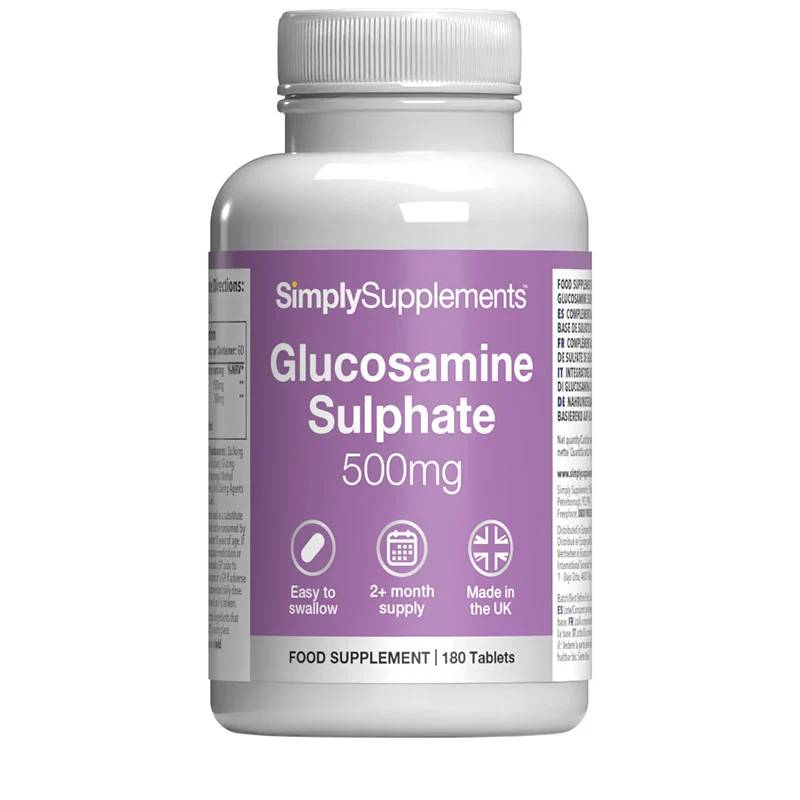
Glucosamine comes primarily in two forms: glucosamine sulphate and glucosamine hydrochloride (HCl). Both types are often marketed for joint health, yet they have distinct properties and potential benefits. In this article, we will explore the differences between these two forms, review recommendations from NICE and the NHS, discuss appropriate dosages, and address concerns regarding side effects and cost, helping you make an informed choice about whether glucosamine supplements are right for your routine. Options such as Health & Wellbeing best glucosamine help keep everything running smoothly here.
Key Takeaways
- Understanding glucosamine sulphate and HCl is essential for joint health
- NICE does not recommend glucosamine but provides guidelines
- Cost-effectiveness is a key consideration when choosing supplements
- Side effects and contraindications should be carefully considered
What Are Glucosamine Sulphate and HCl?
Glucosamine is a naturally occurring compound found in the body, primarily in cartilage. It plays a crucial role in the formation and repair of cartilage. As we age, the natural levels of glucosamine can decline, leading to joint stiffness and discomfort. This has led to the popularity of glucosamine supplements, which are believed to help replenish levels of this important compound.
There are two main types of glucosamine supplements: glucosamine sulphate and glucosamine HCl. Glucosamine sulphate is the most studied form and is often touted for its potential benefits in joint health. It is believed to contribute to the maintenance of cartilage and overall joint function. On the other hand, glucosamine HCl is a more concentrated form but has less research supporting its efficacy.

How Do They Differ?
The primary difference between glucosamine sulphate and HCl lies in their chemical composition and potency. Glucosamine sulphate includes a sulphate group, which is thought to enhance its effectiveness in promoting joint health. Studies suggest that glucosamine sulphate may have anti-inflammatory properties and can aid in maintaining joint structure. In contrast, glucosamine HCl does not contain this sulphate component, which may affect its overall bioavailability and effectiveness.
When considering which supplement to choose, it's important to weigh these differences. Many choose glucosamine sulphate due to its more established reputation in scientific studies, while some may opt for HCl due to its potentially lower cost and higher concentration.
Are Glucosamine Supplements Worth Taking?
The question of whether glucosamine supplements are worth taking is not straightforward. While many users report positive experiences, the scientific evidence is mixed. Research has shown that glucosamine sulphate may provide modest relief for some individuals with joint discomfort, particularly those with osteoarthritis. However, the National Institute for Health and Care Excellence (NICE) does not specifically recommend glucosamine supplements for general use, stating that there isn't enough robust evidence to support their effectiveness for everyone.
For active individuals concerned about joint health, considering glucosamine as a preventive measure may be beneficial, but it's crucial to approach it with realistic expectations. Consulting with a healthcare professional is advisable to determine if these supplements align with your health needs.
What Does NICE Say About Glucosamine?
NICE has issued guidelines regarding the use of glucosamine supplements. Their primary stance is that while some studies suggest potential benefits for joint health, the overall evidence does not provide enough support to endorse glucosamine as a definitive treatment for joint pain or osteoarthritis. They recommend that individuals should explore other evidence-based treatments and lifestyle changes before considering glucosamine supplements. For anyone scaling up, best supplements for joint Stiffness is well worth a closer look.
It's also essential to evaluate the potential benefits against the cost and consider other options. Many active adults find that maintaining a healthy diet, staying active, and incorporating low-impact exercises can often yield better results for joint health than relying solely on supplements.
Dosage, Side Effects, and Who Should Avoid Glucosamine
When it comes to dosage, the typical recommendation for glucosamine sulphate is around 1500 mg per day, often divided into two or three doses. For glucosamine HCl, dosages can vary; however, it is generally suggested to follow label instructions or consult with a healthcare provider for personalized guidance.
While glucosamine is generally considered safe for most individuals, some people may experience side effects such as gastrointestinal issues, headaches, or allergic reactions, particularly if they are sensitive to shellfish, since glucosamine is often derived from shellfish. Those with shellfish allergies should consider vegan glucosamine options derived from plant sources, which are now readily available.
Vegan Options and Cost-Effectiveness
For those following a vegan lifestyle, several brands now offer vegan glucosamine supplements derived from non-shellfish sources, such as corn or fungi. These options provide a suitable alternative for individuals looking to avoid animal products while still supporting their joint health.

Cost is another significant consideration when choosing glucosamine supplements. Prices can vary widely based on the type of glucosamine and the brand. Generally, glucosamine sulphate tends to be more expensive than HCl, but it's worth comparing the cost per serving. A typical glucosamine sulphate supplement may range from £15 to £30 for a month's supply, while HCl may be slightly less expensive.
- Consider checking product labels for the source and form of glucosamine.
Evaluating the Pros and Cons of Glucosamine Supplements
As with any supplement, it's important to evaluate the pros and cons before incorporating glucosamine into your routine. Here are some key points to consider:
Pros:
- May help maintain joint health and function, particularly for those with osteoarthritis. This is often where best supplements for joint stiffness proves its value in practice.
- Available in both sulphate and HCl forms, with vegan options for dietary preferences.

- Some users report subjective improvements in joint stiffness and mobility.
Cons:
- Mixed evidence regarding overall effectiveness, with NICE not endorsing its use universally.
- Potential side effects, particularly for those with shellfish allergies or those sensitive to supplements.

- Costs can add up, making it less cost-effective than other lifestyle changes.
Final Thoughts on Glucosamine and Joint Health
While glucosamine supplements may offer some benefits for individuals experiencing morning joint stiffness, the evidence is not conclusive enough to warrant a blanket recommendation. Active adults should consider their specific health needs, consult with healthcare professionals, and weigh the potential benefits against the costs before deciding to incorporate glucosamine into their routine. Ultimately, focusing on a balanced diet, regular exercise, and appropriate lifestyle modifications may be key components in maintaining long-term joint health.
Frequently Asked Questions
How long does it take to see results from glucosamine?
Some users report noticing improvements within a few weeks, while others may take several months to experience significant changes.
Is glucosamine safe for everyone?
While generally safe, those with shellfish allergies, pregnant women, and individuals on certain medications should consult a doctor before use.
What is the difference between glucosamine sulphate and HCl?
Glucosamine sulphate includes a sulphate group and is often considered more effective based on research, whereas HCl lacks this component.
Can I take glucosamine with other supplements?
It is generally safe to take glucosamine with other supplements, but it's best to consult with a healthcare professional to avoid interactions.
What should I look for when choosing glucosamine supplements?
Consider factors like the type of glucosamine (sulphate vs HCl), source (vegan or shellfish-derived), and cost per serving.
Are there alternative approaches to manage joint stiffness?
Yes, maintaining an active lifestyle, a balanced diet, and engaging in low-impact exercises can significantly help manage joint stiffness.
Comments
-
10.01
 공지
Reviving Green Spaces: A Case Study of Powell Tree Planting Service
공지
Reviving Green Spaces: A Case Study of Powell Tree Planting Service
-
10.01
공지
Mastering Weber Grill Cooking Times: A Comprehensive Guide
-
10.01
공지
Enhancing Soldier Readiness: The U.S. Army's ACFT Calculator Case Study
-
10.01
공지
Five Methods You can Develop Your Creativity Using Marketing Never Sleeps
-
10.01
공지
Top 10 Methods To Grow Your What Is Electric Cable
-
10.01
공지
Estudio de Caso: La Transformación Digital en una Pequeña Empresa de Retail
-
10.01
공지
Understanding Glucosamine 1500mg for Joint Health