Case Study: The 2026 Army ACFT Calculator - Revolutionizing Soldier Fi…
 Keira
0
17
09.29 09:40
| 사이트 이름 | Case Study: The 2026 Army ACFT Calculator - Revolutionizing Soldier Fitness Assessment |
|---|---|
| 사이트 주소 |

|
| 가입코드 | |
| 보증금 |
1천만원

|
| 게임종류 | |
| 특장점 |
상세 내용
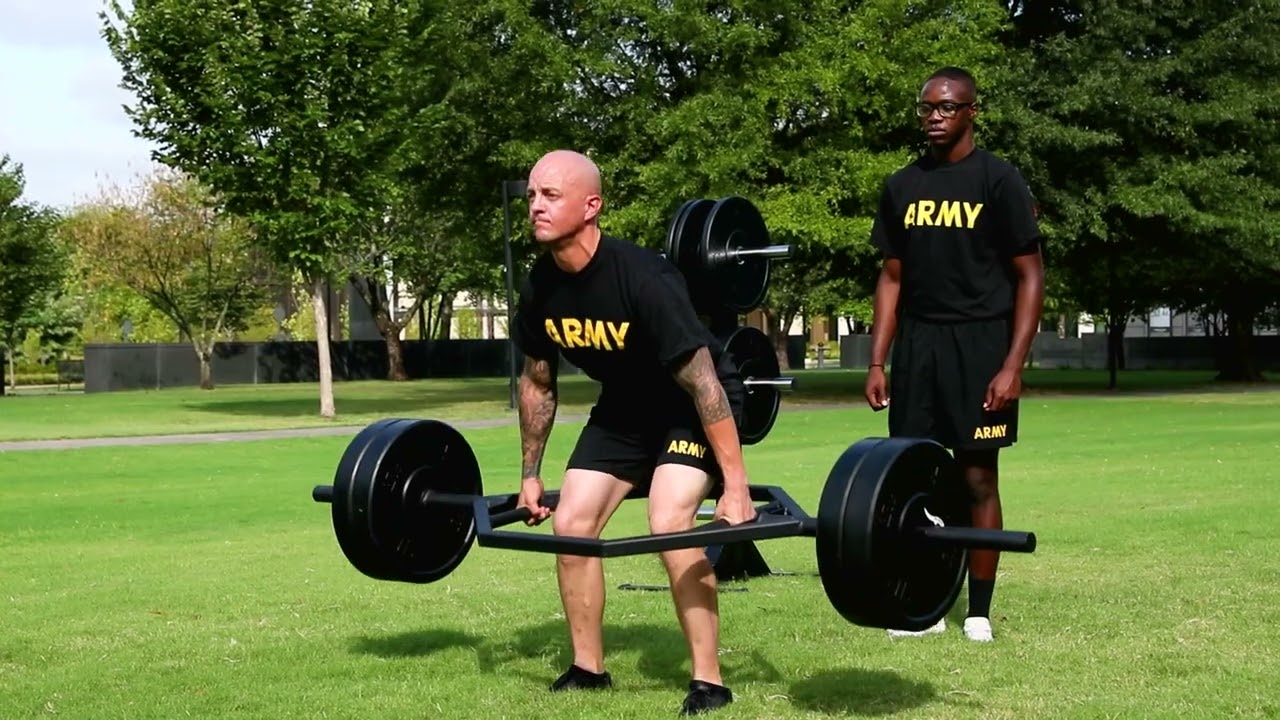
These soldiers are expected to perform at a higher level in events like the deadlift and 2-mile run, reflecting the physical demands of their roles in combat situations. This differentiation ensures that soldiers are evaluated based on the specific physical requirements of their jobs, promoting a more effective and mission-ready force. For combat arms soldiers, the ACFT scoring standards are generally more stringent. For example, an infantry soldier might need to achieve a minimum score of 70 points in the deadlift event, while a soldier in a support MOS might only need to score 60 points.
This phase included extensive research into existing performance calculation methods and user requirements. Research and Development: A team of aviation engineers, software developers, and regulatory experts collaborated to design the APC.
 The existing manual processes were time-consuming, prone to human error, and often resulted in delays that could affect flight schedules. Airlines and flight operators were facing challenges in quickly determining aircraft performance metrics, which are essential for flight planning, fuel management, and regulatory compliance. The need for an Aircraft Point Calculator arose from the growing complexity of aviation regulations and the necessity for precise calculations in flight operations.
It is influenced by the aircraft's weight, engine thrust, runway length, and environmental conditions such as temperature and altitude. Pilots must calculate the required takeoff distance to ensure that the aircraft can safely lift off within the available runway length. Takeoff performance is a critical parameter that determines an aircraft's ability to become airborne safely.
Aircraft performance refers to the ability of an aircraft to operate effectively under different conditions, including takeoff, climb, cruise, descent, and landing. Performance metrics are typically expressed in terms of speed, distance, altitude, and time. It is influenced by various factors such as weight, aerodynamic design, engine performance, environmental conditions, and operational procedures.
The type and performance of an aircraft's engines are vital for overall performance. Engine thrust directly affects takeoff and climb performance, while fuel efficiency influences cruise performance. Pilots must understand the performance characteristics of their aircraft's engines to optimize operations and ensure safety.
The ACFT Army Calculator serves as a valuable resource for soldiers seeking to understand their performance and improve their fitness levels. By leveraging this tool and committing to a comprehensive training program, soldiers can enhance their physical readiness and contribute to the overall effectiveness of the U.S. The Army Combat Fitness Test represents a significant evolution in how the Army assesses physical readiness. With its focus on functional fitness and combat readiness, the ACFT is an essential tool for ensuring that soldiers are prepared for the demands of their roles.
This collaborative environment not only strengthens individual soldiers but also enhances unit cohesion, which is vital for operational success. When soldiers are aware of the specific standards for their MOS, they can work together to achieve common goals, encouraging each other to improve their fitness levels and support one another in their training efforts. In addition to the physical benefits, the ACFT scoring standards also play a critical role in fostering a sense of camaraderie and teamwork among soldiers.
Based on these inputs, the calculator generates a comprehensive score, along with recommendations for improvement. The calculator utilizes a user-friendly interface that allows soldiers to input their performance metrics for each event. In 2026, the Army introduced the atmy acft score cjart 2026 Calculator as a tool to streamline the scoring process and provide soldiers with immediate feedback on their performance.
Multi-Platform Access: The APC is accessible via web and mobile applications, allowing users to perform calculations from anywhere. Real-Time Calculations: The APC provides instant calculations for takeoff and landing distances, climb rates, and fuel requirements based on the input parameters. Reporting Tools: Users can generate detailed reports that include performance metrics and compliance checks, which can be printed or saved for record-keeping. Regulatory Updates: The system is regularly updated to incorporate changes in aviation regulations and performance standards. Input Flexibility: Users can input various parameters such as aircraft type, weight, altitude, temperature, and runway conditions.
 Preparation for the ACFT is crucial for all soldiers, regardless of their current fitness level. The Army provides various resources, including training guides and programs, to help soldiers prepare effectively. Incorporating strength training, cardiovascular workouts, and flexibility exercises into a regular fitness regimen can enhance performance in the ACFT events.

 This phase included extensive research into existing performance calculation methods and user requirements. Research and Development: A team of aviation engineers, software developers, and regulatory experts collaborated to design the APC.The existing manual processes were time-consuming, prone to human error, and often resulted in delays that could affect flight schedules. Airlines and flight operators were facing challenges in quickly determining aircraft performance metrics, which are essential for flight planning, fuel management, and regulatory compliance. The need for an Aircraft Point Calculator arose from the growing complexity of aviation regulations and the necessity for precise calculations in flight operations.
It is influenced by the aircraft's weight, engine thrust, runway length, and environmental conditions such as temperature and altitude. Pilots must calculate the required takeoff distance to ensure that the aircraft can safely lift off within the available runway length. Takeoff performance is a critical parameter that determines an aircraft's ability to become airborne safely.
Aircraft performance refers to the ability of an aircraft to operate effectively under different conditions, including takeoff, climb, cruise, descent, and landing. Performance metrics are typically expressed in terms of speed, distance, altitude, and time. It is influenced by various factors such as weight, aerodynamic design, engine performance, environmental conditions, and operational procedures.
The type and performance of an aircraft's engines are vital for overall performance. Engine thrust directly affects takeoff and climb performance, while fuel efficiency influences cruise performance. Pilots must understand the performance characteristics of their aircraft's engines to optimize operations and ensure safety.
The ACFT Army Calculator serves as a valuable resource for soldiers seeking to understand their performance and improve their fitness levels. By leveraging this tool and committing to a comprehensive training program, soldiers can enhance their physical readiness and contribute to the overall effectiveness of the U.S. The Army Combat Fitness Test represents a significant evolution in how the Army assesses physical readiness. With its focus on functional fitness and combat readiness, the ACFT is an essential tool for ensuring that soldiers are prepared for the demands of their roles.
This collaborative environment not only strengthens individual soldiers but also enhances unit cohesion, which is vital for operational success. When soldiers are aware of the specific standards for their MOS, they can work together to achieve common goals, encouraging each other to improve their fitness levels and support one another in their training efforts. In addition to the physical benefits, the ACFT scoring standards also play a critical role in fostering a sense of camaraderie and teamwork among soldiers.
Based on these inputs, the calculator generates a comprehensive score, along with recommendations for improvement. The calculator utilizes a user-friendly interface that allows soldiers to input their performance metrics for each event. In 2026, the Army introduced the atmy acft score cjart 2026 Calculator as a tool to streamline the scoring process and provide soldiers with immediate feedback on their performance.
Multi-Platform Access: The APC is accessible via web and mobile applications, allowing users to perform calculations from anywhere. Real-Time Calculations: The APC provides instant calculations for takeoff and landing distances, climb rates, and fuel requirements based on the input parameters. Reporting Tools: Users can generate detailed reports that include performance metrics and compliance checks, which can be printed or saved for record-keeping. Regulatory Updates: The system is regularly updated to incorporate changes in aviation regulations and performance standards. Input Flexibility: Users can input various parameters such as aircraft type, weight, altitude, temperature, and runway conditions.
 Preparation for the ACFT is crucial for all soldiers, regardless of their current fitness level. The Army provides various resources, including training guides and programs, to help soldiers prepare effectively. Incorporating strength training, cardiovascular workouts, and flexibility exercises into a regular fitness regimen can enhance performance in the ACFT events.
Comments
-
11.05
 공지
Comment on appelle le petit de la vipère?
-
11.05
공지
How to Create a Personalized Funeral Service
-
11.05
공지
Producing community renaming content with one shared creative brief: moderation-ready content with editable campaign inputs
-
11.05
공지
Magie dlouhých plesových šatů: Jak vybrat ten pravý model pro nezapomenutelný večer
-
11.05
공지
pile foundation cost calculation
-
11.05
공지
Transforming Spaces: A Case Study on Land Clearing Services in Wichita
-
11.05
공지
راهنمای انتخاب بهترین مرکز تعمیرات لوازم خانگی دوو در تهران